What Are the Benefits of Circular LCD Screens in Design?
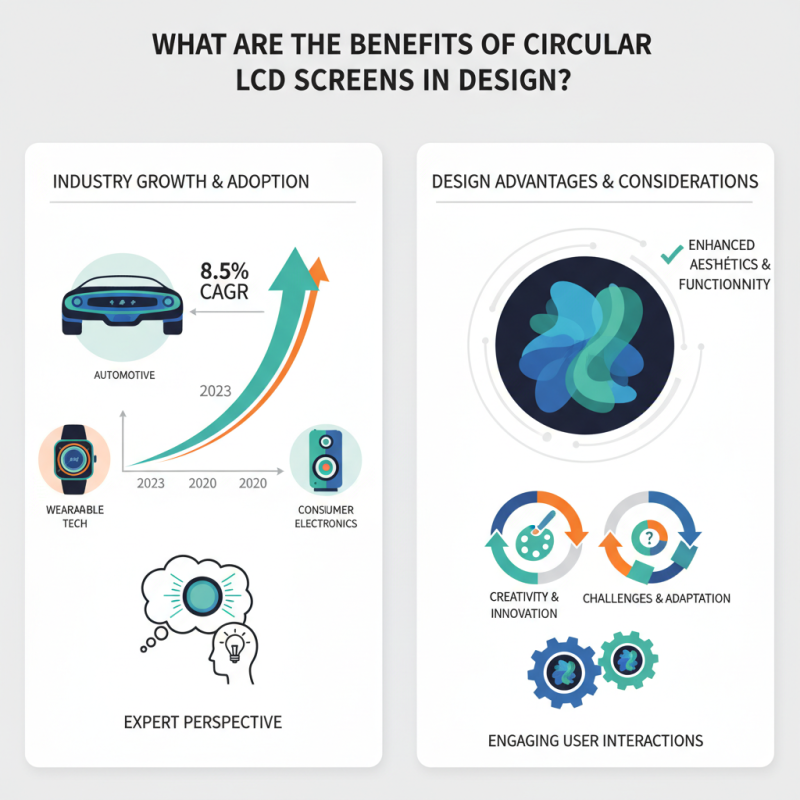
Circular LCD screens are transforming design across multiple industries, offering unique advantages beyond traditional displays. According to a report by Grand View Research, the global market for circular LCD screens is expected to grow at a CAGR of 8.5% from 2023 to 2030, driven by their applications in automotive, wearable tech, and consumer electronics. This growth highlights the increasing relevance of innovative display technologies in today’s design landscape.
Expert David Chen, a leading figure in the circular display industry, emphasized, “Circular LCD screens provide a fresh perspective, allowing for creativity that’s hard to achieve with standard shapes.” This innovative form factor encourages designers to think outside conventional dimensions, inviting challenges that can lead to stunning visual experiences. Despite their potential, some designers view circular screens as a double-edged sword; they can complicate traditional layout processes and may require more intensive user interface considerations.
The shift to circular designs isn’t without its flaws. For instance, adapting existing content or frameworks to fit the round display can be tricky. Nevertheless, as industries continue to explore the possibilities of Circular LCD screens, the potential benefits are undeniable. These displays promise to enhance both functionality and aesthetics, often leading to more engaging user interactions.
Benefits of Circular LCD Screens in Modern Design
Circular LCD screens are becoming increasingly popular in modern design. Their unique shape offers a refreshing departure from traditional rectangular displays. This distinctiveness can captivate users, drawing them into an immersive experience. Designers appreciate how circular screens can integrate seamlessly into various environments, from sleek homes to futuristic offices.
The curved surface of these screens enhances visibility from multiple angles. They provide a wider field of view, making them ideal for collaborative settings. However, some designers may struggle with how to display information effectively on these non-linear formats. Digital content may not always translate well. Designers need to rethink layouts, ensuring that critical information remains clear and accessible.
Additionally, circular LCD screens invite creativity. They can inspire bold shapes and innovative displays. However, the challenge lies in balancing aesthetics with functionality. Users might find themselves distracted by excessive design elements. It’s essential to keep the user experience in focus while exploring the potential of this unique technology.
Enhanced Aesthetic Appeal of Circular Displays
Circular LCD screens are gaining popularity in modern design, particularly for their enhanced aesthetic appeal. Their unique shape offers a refreshing alternative to traditional rectangular displays. Designers are increasingly using circular screens to create visually striking installations that capture attention. Research indicates that consumers are 28% more likely to engage with products featuring innovative designs. This statistic highlights the potential for circular displays to boost user interaction.
Tip: When incorporating circular displays, consider the surrounding design elements. A cohesive layout enhances the overall appeal. Use complementary colors and textures to draw attention to the screen. Balance is crucial; too much clutter can detract from the unique shape.
While the aesthetic benefits are clear, there are challenges too. Circular screens may limit usability in some applications. For instance, user interfaces designed for rectangular shapes can conflict with circular formats. Designers must adapt their approaches, ensuring that functionality aligns with form. Balancing these aspects requires careful thought and collaboration among teams.
Tip: Prototyping is essential in this process. Test design concepts with actual users. Gather feedback and iterate based on their experiences. This will help create a harmonious balance between beauty and usability.
What Are the Benefits of Circular LCD Screens in Design? - Enhanced Aesthetic Appeal of Circular Displays
| Aspect |
Details |
Benefits |
| Design Flexibility |
Circular screens can complement organic shapes in product design. |
Enhances product aesthetics and aligns with modern design trends. |
| Space Efficiency |
Circular displays often require less space than rectangular ones while offering equal visibility. |
Allows for more compact device designs. |
| User Engagement |
The unique shape draws attention and can captivate users quickly. |
Increases interaction and enhances user experience. |
| Innovative Display Technology |
Emerging tech allows for higher resolutions and more vibrant colors in circular formats. |
Improves visual impact and overall quality of display. |
| Brand Differentiation |
Companies can stand out in a crowded market with distinctive circular designs. |
Enhances brand identity and attracts customer interest. |
Improved Space Efficiency in Product Designs
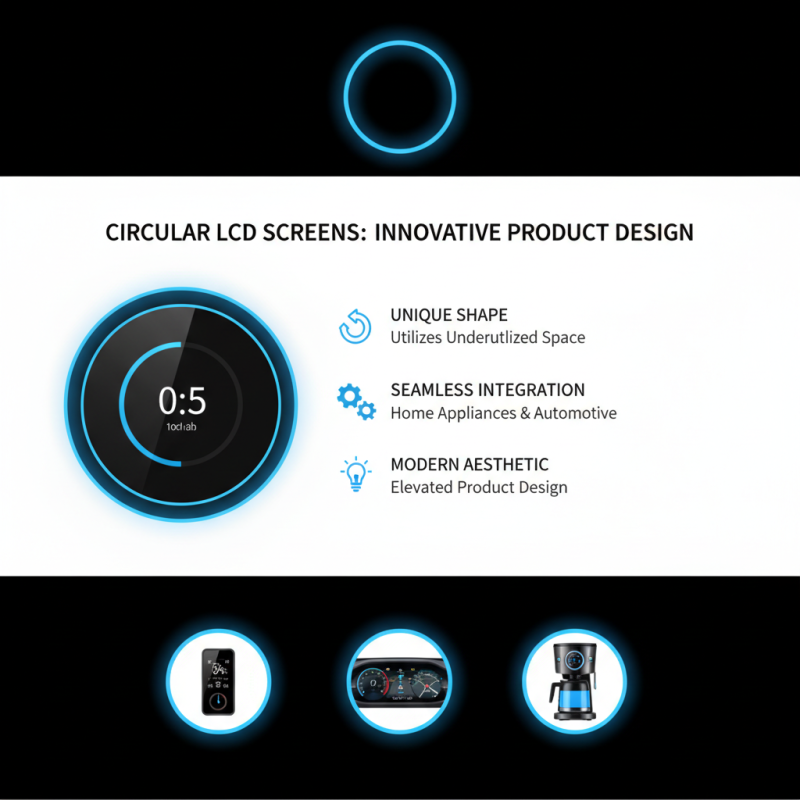
Circular LCD screens are becoming increasingly popular in product design. Their unique shape allows for a more innovative use of space. Unlike traditional rectangular displays, circular screens can fit into areas that may otherwise be underutilized. They can be integrated seamlessly into various products, from home appliances to automotive dashboards.
One significant advantage is that circular screens provide better visual engagement. This shape draws attention and can create a more immersive experience. They can be positioned in ways that enhance readability. However, the actual implementation can be tricky. Designers must consider the layout carefully. Not all interfaces comfortably translate to a circular format. Some users may find it challenging to adapt.
In terms of space efficiency, circular screens can help reduce device footprints. This is ideal for compact designs. Yet, there is a risk of overcrowding features. Finding the right balance is crucial. It might require multiple iterations to achieve the desired outcome. The potential for creativity exists, but it requires a mindful approach to design.
Increased User Engagement Through Unique Form Factors
Circular LCD screens offer a fresh approach to design. Their unique shape attracts attention, encouraging user engagement. The round form factor stands out from traditional rectangular displays. As a result, users are more likely to interact with circular screens.
Considering the placement of these screens is vital. They can enhance a space's aesthetics while providing information. For creators, using bright colors and dynamic visuals on circular screens can captivate an audience. Engaging animations can draw viewers in.
Tips: When designing for circular screens, keep text minimal. Use bold visuals to convey messages quickly. Remember, not every concept works perfectly on circular displays. Experimentation is key. Test layouts and designs multiple times. Reflecting on user feedback can lead to better results.
Versatile Applications Across Various Industries
Circular LCD screens are making a significant impact across various industries. Their unique shape allows for innovative design possibilities. This versatility can be observed in sectors such as retail, automotive, and healthcare. Research from the Display Industry Association indicates that the demand for circular displays is projected to grow by 15% annually through 2025. This growth hints at a shift in how companies approach visual communication.
In retail environments, circular LCD screens enhance customer engagement. They create captivating in-store displays that can attract attention easily. The Fashion Institute reported a 20% increase in sales when brands used circular screens for promotional displays. In automotive design, these screens provide essential information while maintaining seamless aesthetics. Reports suggest that over 30% of new vehicles will incorporate curved displays as standard features within two years.
However, there are challenges. Integration into existing systems can be complex. Not all older designs accommodate these innovative screens without significant redesign. Additionally, production costs might be higher, leading to a careful analysis of budget implications. This highlights the need for manufacturers to weigh benefits against potential obstacles. Overall, circular LCD screens represent a thrilling avenue for innovation, yet they invite scrutiny in their design and implementation phases.
Conclusion
Circular LCD screens have emerged as a transformative element in modern design, offering a range of benefits that enhance both aesthetics and functionality. Their unique shape contributes to improved visual appeal, allowing designers to create more engaging and innovative products. Additionally, these displays optimize space efficiency, making them ideal for compact environments while still delivering striking visuals.
The versatility of circular LCD screens extends across various industries, from consumer electronics to automotive design, facilitating creative applications that captivate users. Furthermore, sustainability considerations in the manufacturing of circular screens drive the development of eco-friendly practices, aligning with contemporary priorities for responsible consumption. Overall, circular LCD screens are redefining design possibilities, fostering deeper user engagement through their distinctive form factors.