Best Circular Lcd Display Options for Global Buyers?
When exploring the world of displays, Circular LCD Display options stand out for their unique design and functionality. These displays are not just visually appealing but also offer practical solutions in various applications. From smart home devices to intricate industrial machines, the versatility of Circular LCD Displays is remarkable.
Global buyers have numerous choices when selecting the right display. However, not every option is perfect. Some may lack resolution or brightness, making them less suitable for specific needs. It's essential to analyze a display's specifications critically. Factors like viewing angles and power consumption can influence your decision.
Choosing the best Circular LCD Display requires expertise and careful consideration. Buyers should evaluate each option thoroughly. Relying on trustworthy sources for reviews and insights is crucial. This approach helps ensure that your investment meets expectations while avoiding potential pitfalls. Engaging with experts can provide further clarity on the best choices available.
Overview of Circular LCD Display Technology
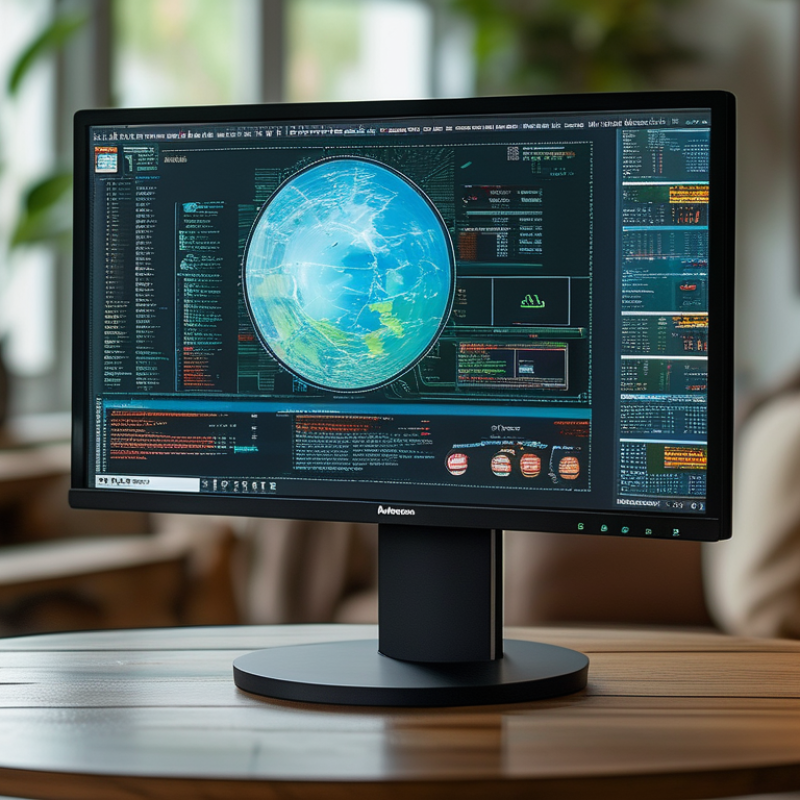
Circular LCD displays have gained popularity in various applications, thanks to their unique design and versatility. These displays offer a distinctive look, often used in watches, automotive dashboards, and industrial devices. Their curved shape enables more compact designs, providing enhanced aesthetics and usability. Users appreciate the round form factor, making information easy to read at a glance.
The technology behind circular LCD displays is quite fascinating. It involves liquid crystals sandwiched between layers of glass or plastic. This design enables vibrant colors and clear images. The circular arrangement allows for better visibility from different angles. Yet, the production process can be complex. Ensuring uniformity in curvature while maintaining quality is a challenge. Some manufacturers face difficulties in achieving high resolution on circular screens.
Despite advancements, there is room for improvement. Not all circular LCDs offer the same level of brightness and contrast. Some may have limited viewing angles. Questions about durability also arise. As technology continues to evolve, users seek displays that can withstand harsh conditions while maintaining performance. Hence, buyers must carefully evaluate options to find the best fit for their needs.
Best Circular LCD Display Options for Global Buyers
Key Features to Consider in Circular LCD Displays
When considering circular LCD displays, buyers should focus on several critical features. Screen size plays a vital role; larger sizes facilitate better visibility, especially from a distance. Resolution is equally important. High-definition displays improve clarity and detail, enhancing user experience. According to recent industry reports, the resolution market for LCDs is expected to grow by 8.5% annually through 2025, highlighting the demand for improved visual quality.
Another essential feature is brightness. High brightness levels ensure that displays are visible even in well-lit environments. Many users overlook this, leading to subpar performance in outdoor applications. Additionally, viewing angles are crucial. Displays with wide viewing angles ensure consistent image quality from various perspectives. This is particularly important in installations where multiple viewers are present.
Tip: Assess your environment. If used outdoors, prioritize brightness and durability.
Durability can be a neglected aspect. A robust display can withstand harsh environments. Look for materials that resist scratches and impacts. Many applications demand rugged profiles to ensure longevity. Moreover, energy efficiency is a growing concern. Opting for displays that consume less power can lead to lower operational costs.
Tip: Balance features with cost. Don't overspend on unnecessary capabilities.
Choosing the right circular LCD display involves careful consideration of these features. Each application may prioritize different attributes, making it essential to reflect on specific needs. Engaging with technical specifications can guide you toward optimal choices.
Top Circular LCD Display Brands for Global Buyers
When considering circular LCD displays, buyers focus on quality and brand reputation. Several manufacturers have established themselves in the market. They provide reliable products that cater to various industries. Each brand has its unique features, enhancing the user experience. However, not all products meet expectations.
One prominent attribute of quality brands is their commitment to innovation. They continually refine their display technology for better visibility and efficiency. Prospective buyers should carefully assess their needs. Some brands excel in color accuracy, while others might prioritize larger screen sizes.
While there are many reliable options, some displays might have limitations. For example, viewing angles can vary across models. Users should consider these factors to ensure satisfaction. Ultimately, understanding brand strengths is key to making an informed choice.
Best Circular Lcd Display Options for Global Buyers
| Display Size |
Resolution |
Brightness (cd/m²) |
Viewing Angle |
Power Consumption (W) |
| 2.5 inches |
320 x 240 |
300 |
160° |
0.5 |
| 3.5 inches |
480 x 320 |
400 |
170° |
1.0 |
| 4.0 inches |
800 x 480 |
500 |
180° |
1.5 |
| 5.0 inches |
1280 x 720 |
600 |
178° |
2.0 |
| 7.0 inches |
1280 x 800 |
700 |
180° |
3.0 |
Comparative Analysis of Pricing Strategies
When exploring circular LCD displays, pricing strategies reveal much about the market landscape. Many manufacturers adopt tiered pricing models based on features. This approach helps cater to different segments, from budget-conscious buyers to those seeking advanced technology. Understanding the rationale behind these pricing strategies is crucial for global buyers.
In some cases, the quality of a display does not align with its price. Shocking discrepancies can occur. A cheaper model might provide impressive brightness and resolution, while a more expensive option might lack desired durability. Such instances prompt buyers to research thoroughly. Professional reviews and user feedback can provide valuable insights.
Additionally, regional pricing variations complicate the decision-making process. Currency fluctuations and shipping costs play significant roles. Often, buyers notice that localized suppliers are more competitive. However, they should be cautious of potential hidden costs. Some may find that what seems like a bargain could lead to extra charges. Seeking transparency in pricing is essential for making informed choices.
Future Trends in Circular LCD Display Innovations
The future of circular LCD displays looks promising as innovations continue to emerge. Designers are focusing on enhancing user experience through improved functionality. Enhanced color accuracy and better viewing angles are becoming standard features. These advancements enable clearer, more vibrant visuals in various applications.
Another trend is eco-friendly manufacturing. As sustainability takes center stage, circular LCD displays are being designed using recyclable materials. This shift helps reduce the environmental impact of production processes. Additionally, energy-efficient designs are being prioritized. Such innovations save power and cut operational costs for users.
Despite these trends, challenges remain. The market is saturated with options. Not all products meet the latest standards. Consumers must navigate this complexity to find reliable, high-quality displays. Continuous research and development will be crucial for resolving these issues. The industry must adapt quickly to changing consumer demands and technological advancements.