What is a TFT LCD Monitor and Why Choose It for Your Needs?
TFT LCD monitors have gained popularity for their vibrant displays and versatility. They are used in various devices, from computers to televisions. Many users appreciate their sharp image quality and energy efficiency. Yet, some may overlook the long-term benefits they offer.
When considering a TFT LCD monitor, it's crucial to understand what sets it apart. Their technology allows for better color accuracy and faster response times compared to traditional monitors. This makes them ideal for gamers and professionals who require precision. However, every product has its drawbacks. Some TFT LCD monitors may have limited viewing angles.
Choosing a TFT LCD monitor means weighing your needs against its features. Think about your primary use. Will you be gaming, working, or watching movies? Keep in mind that the right monitor enhances your experience significantly. Understanding these aspects will guide you toward making an informed decision.
What is a TFT LCD Monitor?
TFT LCD monitors, or Thin Film Transistor Liquid Crystal Display monitors, have become a staple in the display technology landscape. They operate by using multiple thin film transistors to enhance the display quality. This technology allows for sharper images and faster refresh rates compared to traditional LCDs. According to a market report by Grand View Research, the global TFT LCD market size was valued at approximately $116 billion in 2021 and is expected to grow at a rate of 4.4% until 2028. Such figures reflect a robust demand for these monitors across various sectors.
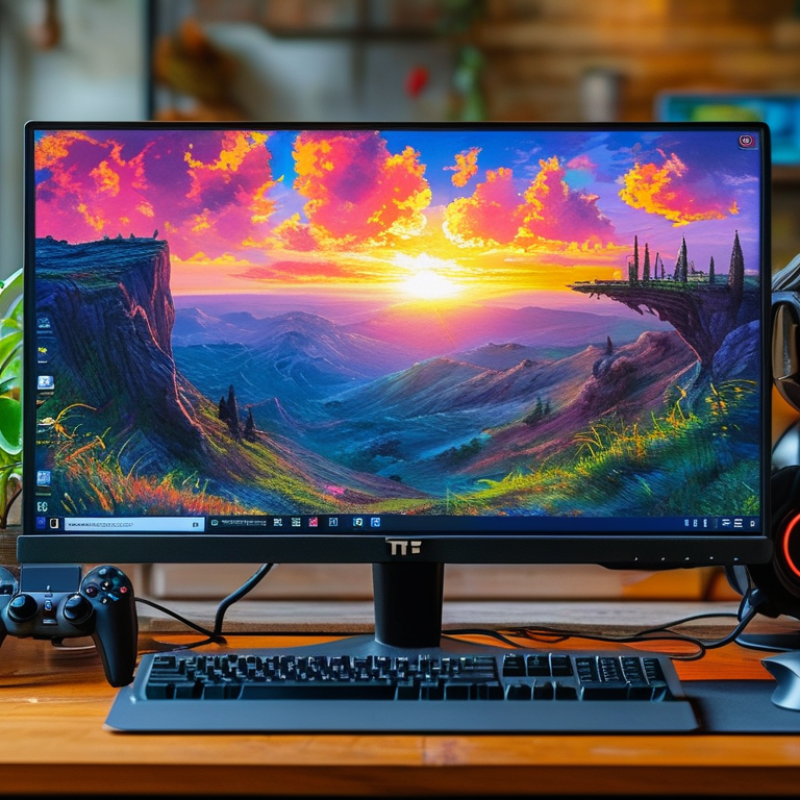
TFT LCD monitors are particularly popular in both professional and personal settings. They provide high brightness and contrast levels, making them suitable for graphic design and gaming. The response time of these monitors can be as low as 1 millisecond, meaning minimal lag during fast-paced use. However, not all lighting conditions complement these monitors perfectly. Glare in bright environments can be problematic, limiting their effectiveness in certain scenarios. Moreover, while TFT displays are known for their color accuracy, they can sometimes struggle with viewing angles. Users often find that colors shift significantly when viewed from the side. This is an aspect potential buyers should consider carefully.
Key Features and Specifications of TFT LCD Monitors
TFT LCD monitors are popular for their vibrant colors and sharp image quality. They utilize thin-film transistor technology to improve pixel performance. This leads to better brightness and contrast, making them ideal for graphic design or gaming. Their fast response time minimizes blurring in fast-moving images, which is crucial for an immersive experience.
Key features of TFT LCD monitors include their slim profile and lightweight design. Advanced models offer wide viewing angles, ensuring colors remain consistent from different perspectives. Additionally, they often come with various connectivity options, making them versatile for multiple devices. However, their performance can vary based on the panel type used, which may not always meet high-end requirements.
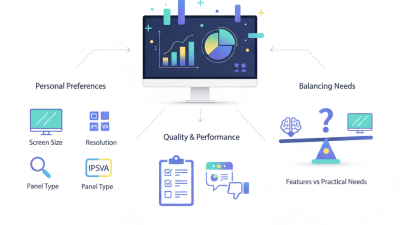
Many users appreciate their energy efficiency. Yet, some models might fall short in color accuracy and contrast compared to OLED displays. Regular users might overlook this, thinking all monitors are the same. Further, individuals should consider their specific needs. A monitor's specs can be overwhelming, and not all features are necessary for casual use. Balancing quality and practicality is essential for making an informed decision.
Advantages of Using TFT LCD Monitors Over Other Display Types
TFT LCD monitors stand out in many settings due to their ability to deliver vibrant colors and sharp images. According to industry reports, these displays can achieve contrast ratios of up to 1000:1. This enhanced visibility makes them ideal for both professional and personal use. Whether for graphic design, gaming, or daily tasks, the clarity of a TFT LCD monitor significantly improves user experience.
Moreover, TFT LCD technology is energy efficient compared to older display types like CRT. Studies suggest that TFT monitors consume up to 50% less power, translating to lower energy bills. Their compact design also saves physical space. However, one must consider that while TFT LCDs offer excellent visuals and efficiency, they can sometimes struggle with viewing angles. Colors may appear washed out when viewed from the sides, which is a limitation for collaborative environments.
In terms of cost, TFT LCD monitors have become more accessible. Prices have dropped over the last decade, making them a popular choice. Despite the advantages, potential users should reflect on their unique needs and how these displays fit into them. Not every scenario may be ideal for a TFT LCD monitor, and individual preferences greatly influence the best choice.
Common Applications of TFT LCD Monitors
TFT LCD monitors are widely used across various sectors due to their versatility and efficiency. In healthcare, these monitors excel in displaying medical imaging and patient data clearly. A report from Grand View Research shows that the global healthcare display market is expected to reach $2.5 billion by 2025, demonstrating a growing reliance on advanced display technology in critical environments.
In the educational sector, TFT LCD monitors play a vital role in enhancing learning experiences. They are prevalent in classrooms and training centers. According to a study by ResearchAndMarkets, the educational display market is projected to grow by 8.2% annually over the next five years. This growth highlights the increasing integration of technology in education and the need for reliable visual solutions.
Moreover, TFT LCD monitors are also favored in industrial applications. Their ability to operate in various lighting conditions and temperatures makes them suitable for manufacturing settings. However, users sometimes report issues, like limited viewing angles or color distortion over time. Aimed at long-term use, manufacturers focus on improving these aspects, yet challenges remain, prompting continuous research in display technology.
What is a TFT LCD Monitor and Why Choose It for Your Needs? - Common Applications of TFT LCD Monitors
| Application |
Resolution |
Aspect Ratio |
Color Depth |
Refresh Rate |
| Gaming |
1920 x 1080 |
16:9 |
24-bit |
144 Hz |
| Graphic Design |
2560 x 1440 |
16:9 |
30-bit |
60 Hz |
| Medical Imaging |
1920 x 1200 |
16:10 |
24-bit |
60 Hz |
| Video Editing |
3840 x 2160 |
16:9 |
30-bit |
60 Hz |
| Office Work |
1920 x 1080 |
16:9 |
24-bit |
60 Hz |
How to Choose the Right TFT LCD Monitor for Your Needs
When selecting a TFT LCD monitor, it’s crucial to consider several key factors tailored to your specific needs. Resolution is a primary aspect. In 2023, reports indicate that over 72% of users prefer Full HD (1920 x 1080) displays for daily tasks. This resolution strikes a good balance between quality and performance, ensuring clarity without excessive resource demands.
Another essential consideration is color accuracy. Industry studies reveal that monitors with 99% sRGB coverage are vital for graphic design and photography. Additionally, responsiveness is critical for gamers. A refresh rate of at least 60Hz is now standard for smooth gameplay, while competitive gamers may aim for 144Hz or higher.
Think about the monitor's size and ergonomics, too. An increasing number of users are investing in larger screens, with 27-inch monitors seeing a surge in popularity. Yet, be mindful of desk space and viewing distance. The wrong size can lead to discomfort over long periods. Engage in thorough research and reviews, as personal experiences vary widely. Professionals often recommend looking for models with adjustable stands to enhance comfort and usability.