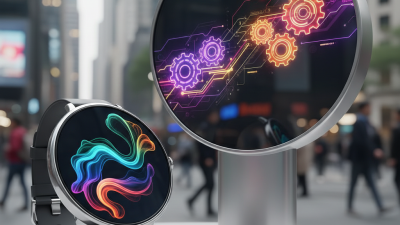
Top 10 Circular LCD Screens for Global Buyers to Consider?
In recent years, Circular LCD Screens have gained notable traction in various industries. As consumer demand for innovative display solutions rises, the market has evolved. A report from MarketsandMarkets estimates the global market for LCD technology is expected to reach $142.4 billion by 2025. This growth is driven by the unique advantages of circular designs, such as enhanced aesthetics and improved user interaction.
Circular LCD Screens offer an engaging viewing experience, making them increasingly popular in areas like retail and automotive displays. They challenge traditional rectangular screens with their capabilities to optimize space and attract attention. However, this innovative technology is still developing. Issues such as manufacturing costs and user adaptability can affect market penetration.
Investors and buyers must remain informed about the latest trends and challenges in the Circular LCD market. Assessing the top 10 options available can guide them toward effective decisions. Knowledge and careful consideration are crucial for maximizing investment outcomes in this dynamic field.
Top Features of Circular LCD Screens Worth Noting for Buyers
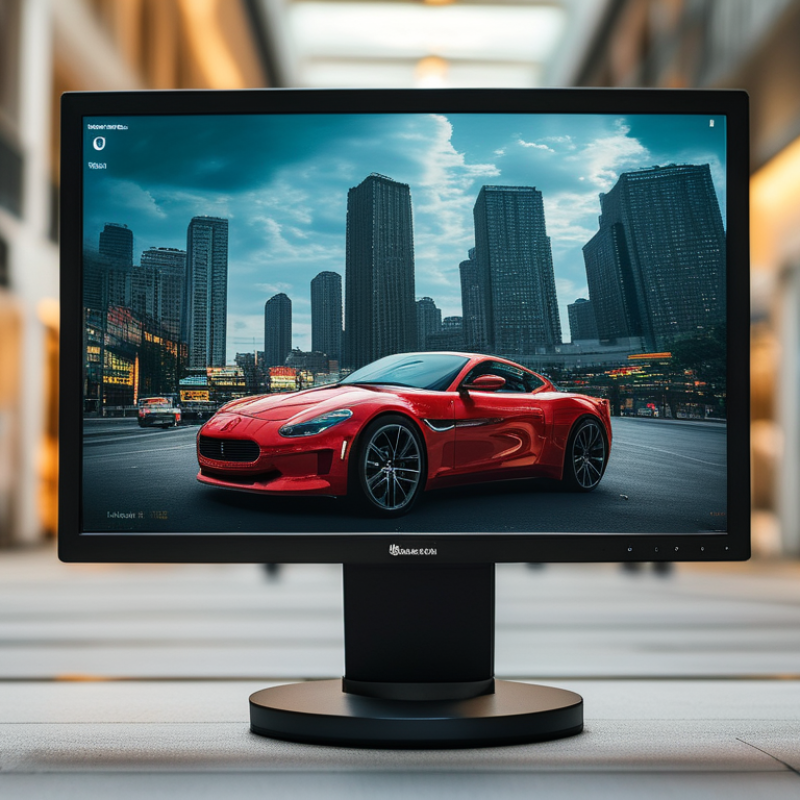
When considering circular LCD screens, several features stand out. Image quality is paramount. High resolution ensures that colors are vibrant and details are sharp. Look for displays that offer a wide color gamut for a more immersive experience. The viewing angle is essential too. Screens that maintain clarity from various angles add to user satisfaction.
Another critical factor is the size and design of the screen. Circular designs can be striking and unconventional. They often fit well in modern spaces. Yet, ensure that the size matches your intended use. A large screen in a small room might overwhelm the space. Check for customizable features for better integration within your environment.
Weight is another aspect to ponder. Lighter screens are easier to mount and reposition. However, stability should not be compromised. Reflect on how you will use the screen. If it will be frequently moved, choose a model that balances portability and durability. Also, consider the warranty and support offered. It can be enlightening about a product's reliability.
Market Trends Shaping the Demand for Circular LCD Displays Worldwide
The global demand for circular LCD displays is influenced by several market trends. Consumers are drawn to the aesthetics and modern design of circular screens. These displays provide a fresh alternative to traditional rectangles. As technology advances, manufacturers are innovating to offer more vibrant colors and better resolutions, capturing user attention.
Sustainability is another crucial factor. Many buyers prefer eco-friendly options. Manufacturers are responding by using recyclable materials and energy-efficient technology. This trend aligns with a broader industry push towards environmental responsibility. Additionally, the rise of smart home devices has amplified the need for user-friendly interfaces, where intuitive circular screens excel.
However, challenges remain in the market. Production costs for circular displays can be higher than for conventional shapes. This can lead to higher prices for consumers, which may limit accessibility. Potential buyers often reflect on the value versus cost, weighing features against their budgets. As the market evolves, balancing innovation with affordability will be key.
Top 10 Circular LCD Screens for Global Buyers to Consider
| Model Number |
Screen Size (inches) |
Resolution |
Brightness (cd/m²) |
Market Price (USD) |
Key Features |
| CIRC-01 |
24 |
1920 x 1080 |
300 |
350 |
Slim Design, Touch Screen |
| CIRC-02 |
32 |
2560 x 1440 |
350 |
600 |
High Color Accuracy |
| CIRC-03 |
40 |
3840 x 2160 |
400 |
1200 |
4K Resolution, Lightweight |
| CIRC-04 |
28 |
2560 x 1080 |
250 |
420 |
Wide Viewing Angles |
| CIRC-05 |
36 |
1920 x 1080 |
300 |
500 |
Integrated Speakers |
| CIRC-06 |
30 |
1920 x 1080 |
350 |
480 |
Sleek Design |
| CIRC-07 |
34 |
2560 x 1440 |
320 |
750 |
Ergonomic Stand |
| CIRC-08 |
42 |
1920 x 1080 |
400 |
600 |
Commercial Use |
| CIRC-09 |
38 |
2560 x 1440 |
450 |
800 |
Ambient Light Sensor |
| CIRC-10 |
31 |
1920 x 1080 |
300 |
470 |
Multi-Input Options |
Comparison of Leading Brands in the Circular LCD Screen Market
The popularity of circular LCD screens has surged in various sectors, including retail and automotive industries. According to a recent industry report, the global circular LCD market is expected to grow at a CAGR of 10.5% from 2023 to 2030. This growth highlights increasing demand for innovative display solutions that enhance user experience through aesthetic design and improved functionality.
Leading brands are increasingly focusing on customization and superior image quality. While most brands aim for high-definition resolutions, differences in color accuracy and brightness levels remain prominent. Furthermore, the integration of advanced technologies like OLED and Mini-LED has contributed to the differentiation among products. Buyers should evaluate features such as wide viewing angles, responsiveness, and durability before making a decision.
In this fast-evolving market, it’s vital to keep your needs in mind. Consider how often the screen will be used and in what environment. Reflecting on these factors can help you choose a product that not only meets your requirements but also offers longevity and performance. Stay informed about new entrants and technological advancements to ensure your investment is future-proof.
Evaluating the Cost-Effectiveness of Circular LCD Screens for Businesses
When evaluating the cost-effectiveness of circular LCD screens, businesses must consider various factors. The average lifespan of LCD screens is around 30,000 to 50,000 hours, translating to years of reliable service. Yet, initial investments can be significant, often ranging between $300 and $1,500 per unit. A comprehensive market analysis from Statista indicates that the global LCD market is expected to reach over $100 billion by 2025, underlining the growing demand for innovative displays.
Energy consumption is another critical aspect. Circular LCD screens tend to be more energy-efficient than traditional rectangular models. They can reduce power usage by 20% to 30%, especially when integrated with advanced technology. The potential savings on electricity bills can lead to a quicker return on investment. Yet, the actual savings may vary due to fluctuating energy prices and varying usage rates across different businesses.
Moreover, circular displays often come with unique installation challenges. Proper integration into existing systems can incur additional costs. Some companies may overlook these hidden expenses during initial budgeting. Understanding the total cost of ownership is essential to making informed decisions. Assessing both the direct and indirect costs will provide a clearer picture. This approach can lead to better strategic planning and resource allocation for businesses considering this technology.
Innovative Applications of Circular LCD Screens Across Various Industries
Circular LCD screens are making waves in various industries. Their unique shape offers more than just aesthetics. They can fit seamlessly into modern retail environments, capturing customer attention. In retail, these screens often become focal points, showcasing products in dynamic ways. Their round design enables 360-degree visibility, making them ideal for displaying engaging advertisements.
In the automotive sector, circular LCD screens enhance user interfaces. These screens provide essential information in a compact form. They can display navigation details, speed, and vehicle diagnostics. Their integration into dashboards makes information accessible without distracting drivers. However, incorporating these screens requires careful consideration of user experience and safety.
Healthcare is another area where circular LCD screens are emerging. In patient rooms, these screens can blend into design. They can display vital signs or health information, creating a calming environment. Adopting this technology poses challenges, including data privacy and screen visibility in various lighting conditions. Balancing these aspects is key to effective implementation.
Top 10 Circular LCD Screens - Market Share by Application