Top E Cycle Display Trends for 2026 What Buyers Should Know
As we approach 2026, the E Cycle Display market is poised for significant transformations. According to the latest report by MarketsandMarkets, the global E Cycle Display market is expected to reach $3.5 billion in revenue by 2026, growing at an impressive CAGR of 12%. This surge is driven by advancements in technology and increasing demand for eco-friendly solutions.
Dr. Emily Carter, an expert in display technologies, states, “The future of E Cycle Displays will revolutionize how we interact with our devices.” Her insights reflect an industry that values both sustainability and innovation. Many companies are now prioritizing circular economy practices to reduce electronic waste and enhance product longevity.
Despite this optimism, challenges remain. Transitioning to sustainable materials can be complex and costly. Consumers expect more from their displays, which raises the bar for manufacturers. E Cycle Display makers must adapt swiftly, balancing quality with environmental responsibility. The journey ahead is promising but requires careful reflection on these growing demands.
Emerging Technologies Influencing E-Cycle Displays in 2026
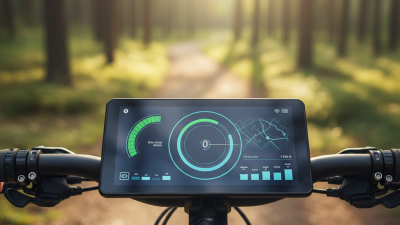
In 2026, the landscape of e-cycle displays will be shaped by emerging technologies. A notable trend is the integration of augmented reality (AR). AR overlays information onto the real world, enhancing user engagement. This technology will allow cyclists to receive navigation cues and performance data directly on their displays, creating a seamless riding experience.
Another significant influence is the development of flexible display technologies. These displays will adapt to various shapes and sizes, fitting different e-cycle designs. Imagine a screen that curves with the handlebars, providing optimal visibility. Enhanced battery efficiency will also be crucial. With longer battery life, riders will rely less on frequent charging, improving overall usability.
However, these advancements raise questions. Are all users ready for such high-tech features? Some may find complex displays distracting. Balancing functionality with simplicity will be key. As the market evolves, understanding user needs will be essential for manufacturers. This approach will ensure that the advancements serve all cyclists.
Key Factors Driving Display Innovation for Electric Bicycles
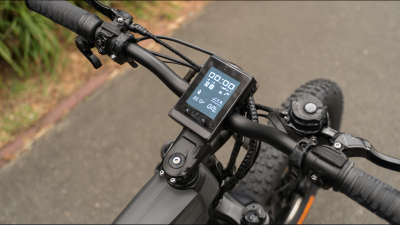
The landscape of electric bicycle displays is rapidly evolving, driven by consumer demands and technological advancements. As we approach 2026, understanding key factors influencing this innovation is vital for prospective buyers. Clarity and functionality in displays are paramount. Users seek intuitive interfaces that provide essential information at a glance—speed, battery life, and navigation.
Integrating smart technology is another significant trend. Displays now often sync with smartphones, allowing for personalized settings and real-time updates. This enhances the riding experience, making it more engaging. Yet, not all integration is seamless. Users report connectivity issues that can frustrate the riding experience. Addressing these technological hiccups remains crucial for future improvements.
When selecting an electric bike, consider the display visibility under various conditions. Brightness and contrast can greatly affect usability in sunlight or low light. While many models boast high-resolution graphics, functionality often trumps aesthetics. Buyers should test displays personally to find what works best for their riding habits and conditions. This hands-on approach helps ensure satisfaction while making a choice.
Consumer Preferences and Trends in E-Cycle Display Designs
The landscape of e-cycle display designs is evolving rapidly. As we look toward 2026, understanding consumer preferences is crucial for manufacturers and suppliers. Buyers increasingly favor sleek, user-friendly interfaces that integrate seamlessly with their devices. Clear visibility in bright sunlight is becoming a paramount feature. Display resolution also matters; high-definition screens are preferred for better readability.
Colors and designs are shifting toward softer tones that are eye-catching yet not overwhelming. This trend reflects a desire for a more tranquil riding experience. Furthermore, lightweight materials are gaining traction, making displays easier to handle without compromising durability. However, some buyers express concerns about the longevity of new materials. Manufacturers must ensure reliability alongside innovation.
For those entering the marketplace, consider usability. Displays should enhance the cycling experience rather than distract from it. Focus groups can provide valuable insights into what features resonate with potential customers. Additionally, staying updated with technological advancements is essential. Buyers should also be aware of software compatibility, which can affect overall performance. Balancing creativity with functionality will ensure a successful design.
Environmental Impact and Sustainability in E-Cycle Display Manufacturing
Sustainability is becoming crucial in e-cycle display manufacturing. As technology evolves, environmental impact remains a significant concern. Buyers should be aware of how production processes affect ecosystems. Many manufacturers are shifting to eco-friendly materials. Recyclable plastics and biodegradable compounds are gaining traction. These alternatives can minimize waste considerably.
However, challenges persist in sourcing sustainable materials. The availability of high-quality, environmentally friendly components can be limited. This inconsistency often leads to reliance on traditional materials. Buyers must critically evaluate suppliers to ensure ethical practices. Transparency in the supply chain is vital. Understanding where materials originate fosters trust.
Moreover, the recycling process for e-cycle displays is still not optimal. Many end-of-life products end up in landfills. Buyers should support initiatives aimed at improving recycling capabilities. Encouraging manufacturers to adopt circular economy principles is important. Awareness of these trends can guide informed purchasing decisions. Enhanced sustainability aligns with consumer values and helps mitigate environmental impact.
Top E Cycle Display Trends for 2026
| Trend |
Description |
Environmental Impact |
Sustainability Practices |
| Recyclable Materials |
Increased use of biodegradable and recyclable materials in displays. |
Reduces landfill waste and promotes resource recovery. |
Utilization of post-consumer waste in production. |
| Energy-efficient Displays |
Implementation of low-energy technology in all e-cycle display products. |
Significantly lowers carbon footprint during operation. |
Energy savings through LED technology and efficient power use. |
| Digital Fabrication |
Use of 3D printing to create customized display components. |
Minimizes waste through precise material use. |
On-demand production reduces overproduction. |
| Circular Economy Models |
Adoption of models where end-of-life displays are returned for recycling. |
Promotes product lifespan extension and reduces waste. |
Programs to facilitate recycling and repurposing of displays. |
Future Challenges and Opportunities for E-Cycle Display Market Growth
The e-cycle display market is on the cusp of transformative growth. Buyers need to understand upcoming challenges and opportunities. The integration of advanced display technologies will redefine user experiences. As consumer expectations rise, manufacturers face the pressure to innovate continuously. Meeting these demands requires substantial investment in research and development.
Sustainability is a growing concern for the industry. Customers increasingly prefer eco-friendly solutions, which presents a challenge. Producing displays that are both high-quality and environmentally responsible is complex. However, companies that tackle this issue can differentiate themselves in a crowded market. Additionally, the shift toward digital interfaces offers a chance for enhanced interactivity. Greater engagement can lead to increased sales, but it also necessitates thoughtful design choices.
While the potential for growth is significant, the market is not without its hurdles. Supply chain disruptions can hinder access to essential components. Firms must develop robust supply networks to mitigate these risks. Ensuring reliable sourcing will be critical as demand grows. Adapting to regulatory changes will also play a vital role in future success. Balancing innovation with compliance can be challenging but necessary for long-term sustainability.