Top TFT Color Monitor Features for Global Buyers?
In a rapidly evolving digital world, choosing the right Tft Color Monitor is crucial. As buyers seek the best features, understanding the core elements of these monitors becomes essential. Global consumers often find themselves overwhelmed with options. This overwhelming choice can lead to confusion about which features truly matter.
Tft Color Monitors are not just about vibrant displays. Factors like resolution, refresh rates, and connectivity play pivotal roles in enhancing user experience. Global buyers must consider their specific needs, whether for gaming, graphic design, or everyday use. Not all monitors meet high standards, so discerning quality is vital.
While many monitors boast impressive specifications, some may fall short in real-world scenarios. It's important to assess user reviews and expert opinions. Settling for a monitor without ample research can be detrimental. Each buyer’s experience will vary due to factors like brand reliability and after-sales support. Thus, reflecting on these aspects can greatly aid in making an informed decision.
Key Specifications for TFT Color Monitors
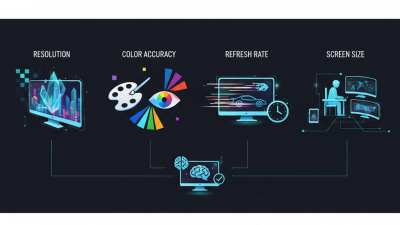
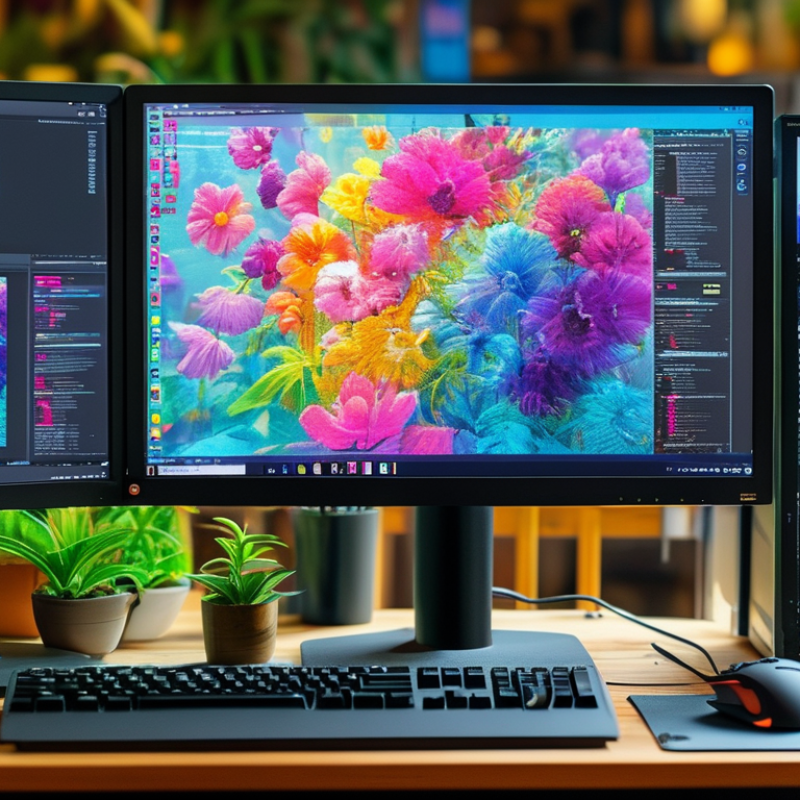
When selecting TFT color monitors, buyers should focus on key specifications that directly impact performance and usability. Display resolution plays a crucial role. Higher resolutions provide clearer and sharper images, which enhance user experience. Most TFT monitors offer resolutions ranging from HD to 4K. Users should evaluate their needs when choosing the right resolution.
Another vital aspect is color accuracy. Monitors are designed to reproduce colors as closely as possible to the original. A good color gamut ensures vibrant and lifelike display quality. Some monitors cover up to 100% of the sRGB spectrum, while others may fall short. Understanding these metrics helps users make informed decisions.
Response time is essential for gamers and multimedia users. A lower response time reduces motion blur and ghosting effects. Most modern monitors boast response times under 5 milliseconds. However, not all users may prioritize these features. Evaluating specific use cases is vital to avoid overpaying for unnecessary capabilities.
Understanding Screen Resolution Options and Their Impact
Screen resolution is a key factor in purchasing TFT color monitors. High resolution enhances image clarity. Different resolutions affect the display quality significantly. According to industry reports, a monitor with a 1920x1080 resolution can deliver clear details in various applications. This resolution is often ideal for general use.
However, it's important to note that higher resolutions, such as 4K, can demand more from system resources. A study revealed that users often overlook this aspect, focusing solely on resolution. Yet, a powerful GPU and sufficient RAM are essential for optimal performance. Many buyers find themselves disappointed when their systems cannot support high resolutions effectively.
Users should also consider the impact of screen size on resolution choices. Larger screens highlight advantages of increased resolutions, but smaller screens may not benefit as much. Monitoring technology is evolving rapidly, and users must stay informed. Balancing resolution, screen size, and hardware capability is crucial in making the right choice. Buyers often face challenges in assessing their actual needs versus the specifications available.
Top TFT Color Monitor Features Comparison
The Importance of Color Accuracy and Calibration Features
Color accuracy is crucial for any TFT color monitor. It ensures that images and graphics are displayed as intended. For professionals in design, photography, and video editing, precision in color representation can make or break a project. A monitor claiming high color accuracy should ideally support industry-standard color spaces. Users should verify this feature before making a purchase.
Calibration features are equally important for maintaining color fidelity over time. Monitors can drift in their color performance, leading to inaccuracies. Advanced calibration options allow users to adjust color settings based on the specific environment. It’s vital that monitors offer user-friendly calibration tools. Some monitors even come with built-in calibration software, which simplifies this process.
It's not uncommon for users to overlook the importance of these features. Many might prioritize other specifications like size or resolution. However, failing to select a monitor with superior color accuracy can result in disappointing outcomes. Prospective buyers should take time to research and understand calibration needs. Reflecting on these aspects may lead to more informed decisions, ultimately enhancing visual experiences.
Comparison of Refresh Rates and Response Times in Monitors
When choosing a TFT color monitor, understanding refresh rates and response times is crucial. Refresh rates describe how many times a screen updates per second. Common rates are 60Hz, 120Hz, and 240Hz. A higher refresh rate allows for smoother motion on the screen, which is ideal for gaming and fast-paced multimedia.
Response time measures how quickly a pixel can change from one color to another. Measured in milliseconds (ms), lower values mean less blur during fast scenes. A response time under 5ms is generally acceptable for most users. However, some monitors with higher response times may exhibit ghosting effects. This can be distracting, especially during fast action sequences.
Many global buyers focus on these features when selecting a monitor. Yet, one must also consider the balance between refresh rates and response times. Not every high refresh rate monitor has an equally low response time. This discrepancy can affect the user experience significantly. Users should carefully review specifications and tests to avoid disappointment. There's always room for improvement in understanding these features.
Connectivity Options: What Buyers Need to Consider
When considering a TFT color monitor, connectivity options are paramount for buyers. Modern monitors need to support various connections to meet diverse user needs. Data from industry reports indicate that HDMI and DisplayPort are the most commonly sought connections, with over 70% of users prioritizing these ports when selecting a monitor. This trend underscores the importance of versatile connectivity for both professionals and casual users alike.
Moreover, USB-C has emerged as a critical feature. Recently, studies showed that almost 40% of new models incorporate USB-C, appealing especially to portable device users. With this feature, transferring data and charging devices becomes seamless. However, not all monitors provide the same level of compatibility. Buyers must verify if their devices support these connections, as mismatches can lead to frustration during setup.
Additionally, some monitors still lack adequate wireless connectivity options. Many users expect Wi-Fi and Bluetooth support for easier connections. Yet, surveys indicate that about 30% of TFT monitors available today do not include these features. This gap leaves users without flexibility when aiming to integrate their monitors into smart workplaces. Ultimately, evaluating connectivity becomes a critical step in making an informed purchase.
Top TFT Color Monitor Features for Global Buyers
| Feature |
Description |
Considerations |
| Resolution |
Defines clarity of the image displayed. |
Look for at least Full HD (1920x1080) for standard work. |
| Refresh Rate |
Indicates how many times per second the display updates. |
Higher rates (e.g., 120Hz) reduce motion blur. |
| Panel Type |
Determines color accuracy and viewing angles. |
IPS panels are best for color consistency. |
| Connectivity Options |
Includes HDMI, DisplayPort, USB-C. |
Ensure compatibility with existing devices. |
| Color Gamut |
The range of colors the monitor can display. |
Look for monitors that cover sRGB and Adobe RGB. |
| Ergonomics |
Adjustability of height, tilt, and rotation. |
Important for long-term comfort. |