Top 10 Tips for Choosing an Oled Touch Screen Monitor?
When selecting an Oled Touch Screen Monitor, it's essential to prioritize quality and functionality. John Doe, an expert in display technologies, emphasizes, "A great monitor enhances productivity and creativity." Understanding the features of Oled monitors is crucial for making an informed decision.
Most users appreciate vibrant colors and superior contrast ratios. Oled technology delivers exceptional visuals, but not all monitors are created equal. Researching specifications and reading reviews can feel overwhelming. It’s essential to distinguish between marketing hype and real performance.
Consider the practical aspects, like connectivity options and screen size. While a larger screen may offer more workspace, it might also consume more desk space. Assess your needs carefully. Ultimately, the right Oled Touch Screen Monitor should align with your unique workflow and preferences. Finding the perfect monitor is a journey that requires patience and discernment.
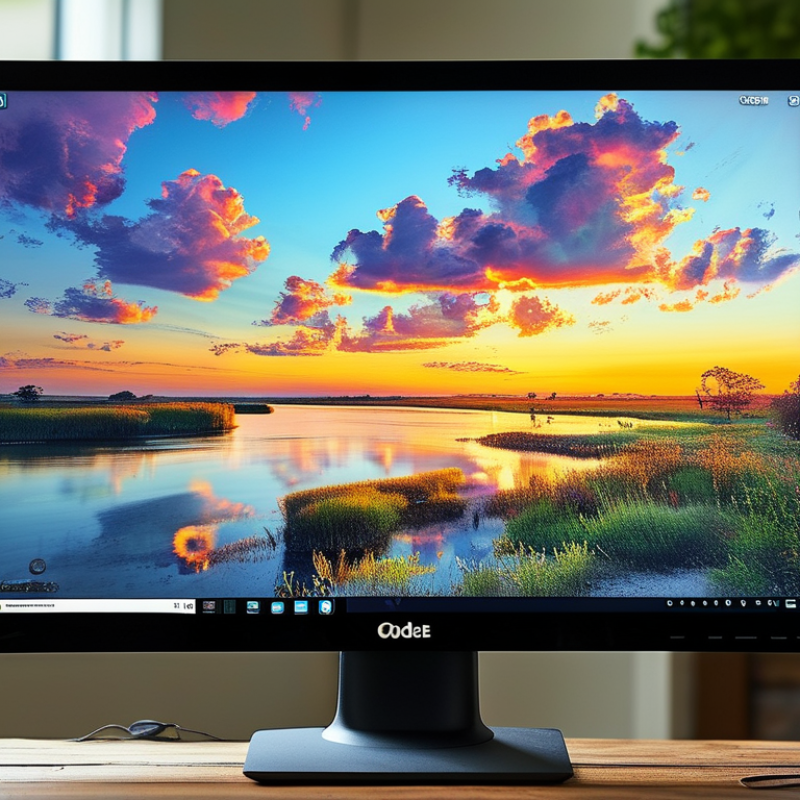
Understanding OLED Technology and Its Advantages
Understanding OLED technology can significantly enhance your experience with touch screen monitors. OLED stands for Organic Light Emitting Diode. Unlike traditional LCD monitors, OLED displays emit their own light. This leads to incredible contrast ratios and vibrant colors. The black levels on an OLED screen are deep and true, since the pixels can turn off completely. This feature is especially beneficial for graphic designers and gamers who need accurate color representation.
When choosing an OLED touch screen monitor, consider the following tips. Check the color accuracy. A monitor with high color fidelity will ensure that your designs appear as intended. Look for a monitor that offers wide viewing angles. This can improve collaboration in team settings. Also, consider the response time. Fast response times are essential for smooth gaming and fluid multitasking.
Pay attention to the size. A larger screen can enhance your experience, but it should fit your workspace. And remember about the touch response. A smooth and responsive touch interface greatly enhances usability. OLED technology offers many advantages, but it’s crucial to assess your specific needs before making a choice.
Factors to Consider When Sizing an OLED Touch Screen Monitor
When sizing an OLED touch screen monitor, consider your workspace and intended use. The display size affects user experience greatly. A larger screen is ideal for multitasking. If you handle graphic design or video editing, a bigger monitor can offer an immersive view. However, cramped spaces may require compact options.
Screen resolution also plays a vital role. Higher resolutions deliver sharper images. They enhance clarity and detail, which is especially important for professionals. Yet, you should balance size and resolution according to your needs. Some users might find that 1080p is sufficient while others may need 4K.
It's also wise to think about the touch sensitivity of the monitor. A monitor that responds well provides a smoother user experience. Look for features such as multi-touch capabilities. Test monitors to see which feels more natural for you. Keep in mind that comfort matters, as prolonged use can lead to fatigue. Consider ergonomic aspects when you choose your setup.
Top 10 Tips for Choosing an OLED Touch Screen Monitor
Evaluating Resolution and Visual Quality in OLED Displays
When evaluating OLED displays, resolution and visual quality are crucial factors. Resolution impacts clarity, making it essential to choose a monitor with high pixel density. A higher resolution provides more detail, crucial for tasks like graphic design or gaming. For most users, a 4K resolution offers an excellent balance of detail and performance. This clarity can significantly enhance the viewing experience, especially for dynamic content.
Visual quality in OLED displays can differ noticeably. The contrast ratio is one area to consider. OLED technology allows for true blacks, resulting in stunning color depth. However, achieving optimal visual quality depends on other aspects too, such as viewing angles and brightness. While OLED displays usually outperform LCDs, they can still suffer from uniformity issues. It's essential to look for reviews that discuss real-world usage. Some users have reported color shifting at extreme angles, which can affect design work.
Choosing an OLED monitor is about striking a balance. Think about how the monitor will be used. Different tasks may require varying resolutions and visual qualities. Reflections and glare can be bothersome, depending on your environment. Therefore, consider your room's lighting conditions as you evaluate potential displays. Some monitors may look great in one setting but underperform in another.
Examining Touch Screen Sensitivity and Responsiveness
When choosing an OLED touch screen monitor, touch screen sensitivity and responsiveness are crucial factors.
Sensitivity refers to how well the screen detects touch input. A highly sensitive screen registers even the lightest touch.
This can enhance user experience, especially in creative tasks or detailed applications. Test the screen by using various gestures to ensure it responds as expected.
Not all screens perform well in this regard, so personal experience is key.
Responsiveness, however, goes beyond just sensitivity. It encompasses how quickly the screen reacts after a touch.
A laggy monitor can frustrate users, particularly in fast-paced environments. When trying out different models, pay attention to how quickly actions occur after touching the screen.
You want a display that provides immediate feedback. Ideally, a touch should prompt a reaction without noticeable delay.
Consider how your habits will impact your choice. Some users may not prioritize responsiveness, but gaming and design tasks require fast reaction times.
It's worth noting that what feels responsive can vary from person to person. The best experience comes from hands-on testing and careful observation,
so don’t hesitate to engage deeply with the monitors before making a decision.
Comparing Connectivity Options for Versatility and Compatibility
When selecting an OLED touch screen monitor, connectivity is crucial. A monitor's versatility is determined by its ports and connections.
HDMI, DisplayPort, and USB-C are common options. Each offers unique advantages, allowing you to connect various devices seamlessly.
For instance, USB-C is popular for laptops. It provides power delivery alongside video output.
Different connectivity options also impact compatibility. If you frequently switch between devices, prioritize monitors with multiple ports.
A monitor with only one HDMI port limits options. Consider your primary use case. If you're into gaming, look for monitors with high refresh rates and low input lag.
However, some users find that more ports can lead to confusion during setup.
It's essential to assess your existing devices. If you own older machinery, certain modern ports may not work. Adapters can solve some issues. But they may introduce noise or lag.
Understanding the potential pitfalls helps make an informed decision. Ensure the monitor can handle your specific requirements before purchasing.