What is an Oled Touch Monitor and Why You Need One?
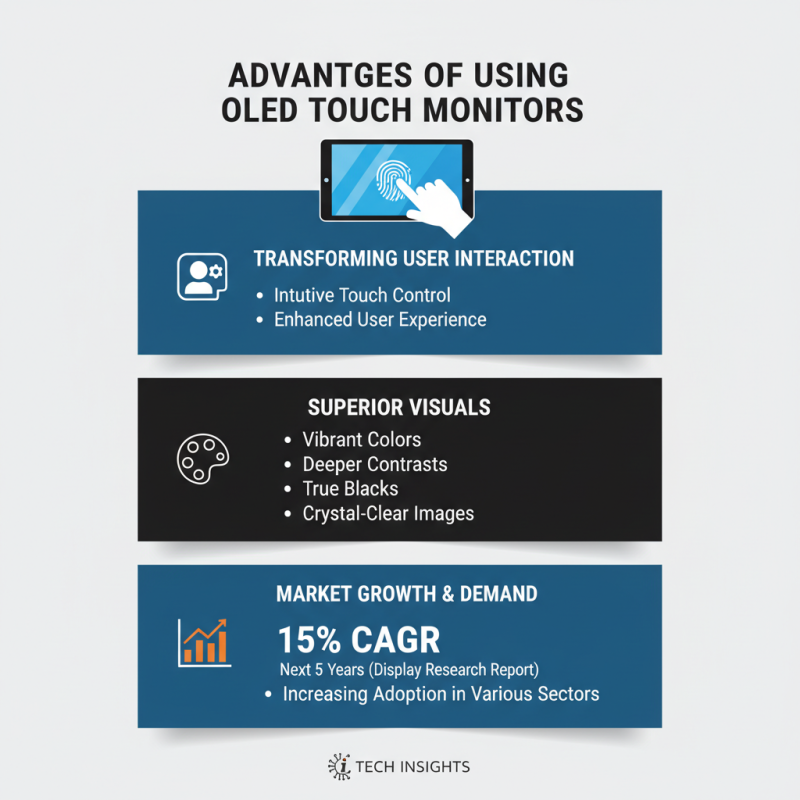
In today's fast-paced digital world, an Oled Touch Monitor stands out as an innovative solution for both personal and professional use. These monitors combine the vibrant colors and deep contrasts of OLED technology with the interactivity of touch functionality. Imagine a workspace where tasks can be completed with simple gestures, enhancing both efficiency and creativity.
Why consider an Oled Touch Monitor? The answer is simple. They provide a unique user experience that traditional monitors can’t match. The visuals are stunning, making images and videos pop with life. However, these monitors can be more expensive than standard models, requiring careful consideration.
As technology evolves, so do our needs. The Oled Touch Monitor meets this shift by offering versatility and responsiveness. It encourages users to engage in new ways, whether designing graphics, navigating software, or even just browsing the web. It's worth pondering if this powerful tool could be the right fit for your needs, balancing its advantages against the investment it requires.
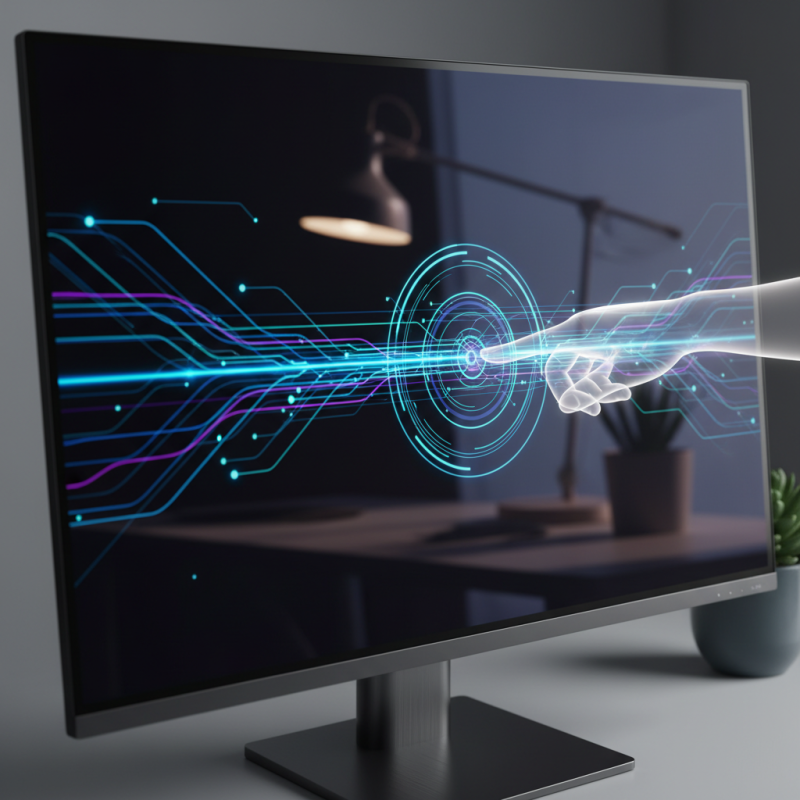
What is an OLED Touch Monitor?
An OLED touch monitor is a display that combines organic light-emitting diode (OLED) technology with touchscreen functionality. OLED screens emit their own light, allowing for vibrant colors and high contrast. This leads to deeper blacks compared to traditional LED screens. When you touch the screen, it responds quickly and accurately. This interaction is intuitive and enhances user experience across various applications.
These monitors often have many advantages. The response time is excellent. Colors appear richer, making them ideal for creative work like graphic design. The viewing angles are wide, allowing multiple people to see the screen clearly. However, there are some concerns. OLED screens can suffer from burn-in, where static images fade over time. This issue requires users to manage their display carefully.
Compatibility with different devices is another aspect to consider. While many laptops and tablets work seamlessly with OLED touch monitors, some older models may not. It's essential to check compatibility before purchasing. Touch responsiveness varies as well; some monitors may not meet all user expectations. Overall, an OLED touch monitor can elevate tasks, but it's essential to reflect on the potential challenges for your specific use case.
OLED Touch Monitor Sales Growth Over the Years
Key Features of OLED Touch Monitors
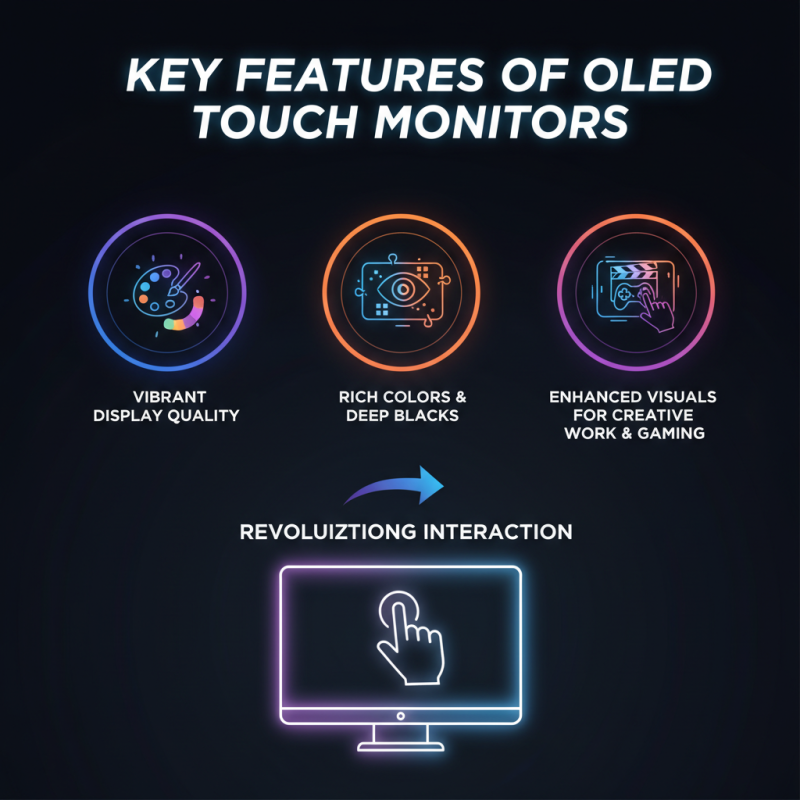
OLED touch monitors are revolutionizing how we interact with technology. One standout feature is their vibrant display quality. The rich colors and deep blacks enhance visual experiences, making graphics pop. This is especially beneficial for creative work and gaming.
Touch sensitivity is another key aspect. These monitors provide a responsive experience, allowing for smooth navigation. The combination of touch capabilities with OLED technology creates a more intuitive user interface. Users find tasks easier, whether it's drawing, typing, or adjusting settings.
Durability is also noteworthy. OLED screens are often built to withstand daily use. However, potential issues like burn-in can arise. Users should be aware of this, especially for static images. Overall, the advantages of OLED touch monitors can greatly enhance productivity and enjoyment, despite some considerations that demand attention.
Applications of OLED Touch Monitors in Various Industries
OLED touch monitors are transforming various industries with their unique capabilities. In retail, for example, they create engaging product displays. These monitors can attract customers with vibrant colors and intuitive touch functionalities. Users interact easily, enhancing their shopping experience.
In healthcare, OLED technology is gaining traction. Medical professionals use these monitors for clearer imaging in diagnostics. The responsiveness and brightness of OLED screens improve the visibility of crucial data during critical procedures. This helps in enhancing patient care through accurate information.
Tip: Consider the setup space when choosing an OLED touch monitor. Ensure it fits well with your current equipment. Proper placement maximizes its advantages, making it easy for users.
In education, OLED touch monitors facilitate interactive learning. Students engage with lessons in an innovative manner. The touch capability makes it easy to collaborate on projects in real-time. However, educators must adapt to this technology, which can pose challenges initially.
Tip: Regular training for staff can ease the transition to OLED monitors. This ensures everyone can utilize the technology effectively. Embracing change takes time and patience, but the benefits are worth it.
Comparing OLED Touch Monitors to Traditional Displays
OLED touch monitors offer a significant advancement over traditional displays. With self-emissive pixels, these monitors deliver deeper blacks and more vibrant colors. According to recent industry reports, OLED displays boast a contrast ratio of over 1,000,000:1, far surpassing standard LCDs. This capability is crucial for graphic design, gaming, and any visual work requiring precision.
Touch functionality adds another layer of interactivity. Users can engage directly with what they see. This direct manipulation streamlines workflows, enhancing productivity, particularly in creative fields. However, not all OLED touch monitors are created equal. Some may face issues like burn-in or a limited lifespan compared to traditional screens. Data suggests that the average lifespan of OLED screens can be around 30,000 hours, while LCDs last upwards of 50,000 hours.
Cost is another consideration. OLED monitors typically come at a higher price point. Their perceived benefits must be weighed against budget constraints. Yet, as demand grows, prices may dip, making them more accessible. Each individual or business needs to assess their unique needs before making a choice. The transition to OLED touch technology is not simple and merits careful evaluation of both advantages and drawbacks.